Look your best!
Ever watch the credits of a movie at the end of the film? Film making is a collaborative effort. It takes a good team working together to create something beautiful and memorable.
"Lights! .... Camera! .... Action!" Is a classic quote, because it truly defines motion pictures. (although "Roll Audio" is equally as important, but not as catchy.
As wedding film makers, we rely heavily on the rest of your vendors' talents, expertise, and cooperation to provide the best quality films that we can.
Frank’s long and boring guide to looking & sounding your best in your wedding film
Any camera - professional or iphones , needs the right amount and quality of light to make people look their best! Knowing some basic principles of lighting and audio recording will help us achieve the best quality in documenting your wedding day.
LIGHTS! CAMERA! ACTION!
Shaping and controlling the light is crucial for beautiful imagery and proper exposure. Not to mention how much better people will look with decent lighting! When possible, soft diffused daylight is preferred - like on a slightly cloudy day. If natural diffused sunlight is unavailable, usually only one type of light source / color temperature is preferred so we don’t have to do a bunch of unnecessary color correction on the footage to make your skin tones on your face look natural. Pay attention to the lighting situation in your wedding venue and any other significant locations that we will be filming on your wedding day. Often times in a less than ideal lighting situation, simple solution exists , especially during the planning phase. Modern light bulbs flicker to save energy , we don’t notice this , but the video camera does, especially during slow motion filming. I bring lights as emergency use only, I don’t want to ruin the ambience of your wedding day , especially a low light situation during a reception. Please do your best to make sure the lighting is just the way you want it to look. When in doubt , film a video clip with your phone , especially the slow motion feature to check for flickering lightbulbs.
-GETTING READY / FIRST LOOK / LETTER READING-
Hotel room , living room, bridal suite, etc:
Ideally we want a large open space with large enough windows to let in plenty of light so we don't have to use any additional lights. For getting ready photos, use a high chair, facing out the window. Your hair and make up artist will thank you. Many times they come prepared with their own chairs and even sometimes they bring their own light source. This is fine for their line of work, but often times the color accuracy is low and the LED bulbs flicker during slow motion filming . We always prefer natural window sunlight , diffused if possible, to a ring light or hair and make up artists light. The daylight is much more flattering to all skin tones. (by using a high chair, it looks nicer and your hair stylist doesn't have to bend and strain their back as much.)
Have a back up location in mind if your getting ready location is small or doesn't have many windows / natural daylight. All photos and videos , across the board will look better with plenty of soft day light and no artificial lighting. (at least for key moments like letter readings, and finishing touches of hair and wardrobe.)
If your first look is around high noon - the sun light will be pretty harsh outdoors. And if your groom is anything like me, he’s going to be sweating in the hot sun , and even in the shade, especially if he’s not used to wearing a tuxedo and buttoning up the dress shirt. It can be quite uncomfortable for men. An area with shade or soft window lighting will make sure you look your best. It's usually best to trust the photographer on where they want to set up the first look. Sometimes the photographer can be overbearing and not understand basic lighting principles, don’t freak out , just kindly ask that you go with a natural light source whenever possible. It’s your day , if you want something specific , ask for it unapologetically- you’ll be glad you did and not have any regrets when your photos come out beautiful , jut the way you want them.
(side note - first looks and letter readings are so great for wedding film audio and powerful imagery - but some people don't like having a first look or reading aloud. So "NO-LOOKS" are also a thing. A "No - Look" is where you talk to one another around the corner or back to back, without actually seeing each other before the wedding ceremony. See the trailer films below for some epic and heartfelt first looks) The more time you allow for a first look , the more creative we can be. In Sam and Chris's film below, we had over an hour to kill in this beautiful open field that Sam had planned to stop by for photos on the way to the venue. It was a pretend first look , but still gave us beautiful imagery. Years from now you won’t care if your first look was staged or not. Your kids will be keeping you busy by flushing your wallet down the toilet. (Literally and figuratively- college is expensive)
RECAP OF QUALITY OF LIGHTS:
The quality of light at each location either makes or breaks the scene by seamlessly and tastefully blending in or being distracting and unnatural—but more importantly - the quality of light is either flattering or unflattering to the people in the shot. Lighting in general - is most flattering to people's faces when it is indirect and diffused. I have to repeat this until it becomes second nature to you and habitual. Direction of light also matters very very much. Harsh direct or dim lighting , especially at weird angles during a reception can create ugly shadows or look like some strange dungeon scene, overhead lights can create "raccoon eye shadows", or bring the mood down. When giving a toast or speech, the light from your phone is shining on your face , try to avoid looking at the phone during your speech , or at least don’t stare at the screen the entire time. Connect with your guests and be present in the moment, you don’t want photos of you and your loved ones staring at their phones.
Hair and makeup recap:
We want to showcase your beauty or rugged handsomeness. To do that, 95% of the time, natural diffused sun light is the way to go. For hair and make up , we think having the bride sit on a tall stool, facing the window , with minimal clutter in the background - is a surefire path to success. Our favorite shot to use is the bride getting her eye make up done at the very end of make up application - we usually re enact this right by the window so we can get really cool shots and if the make up artist has a lot of clutter in their workflow, we can make this more visually appealing by limiting distractions - EG Let's have you get ready where you need to, then apply "finishing touches" by the window with minimal visual distractions.
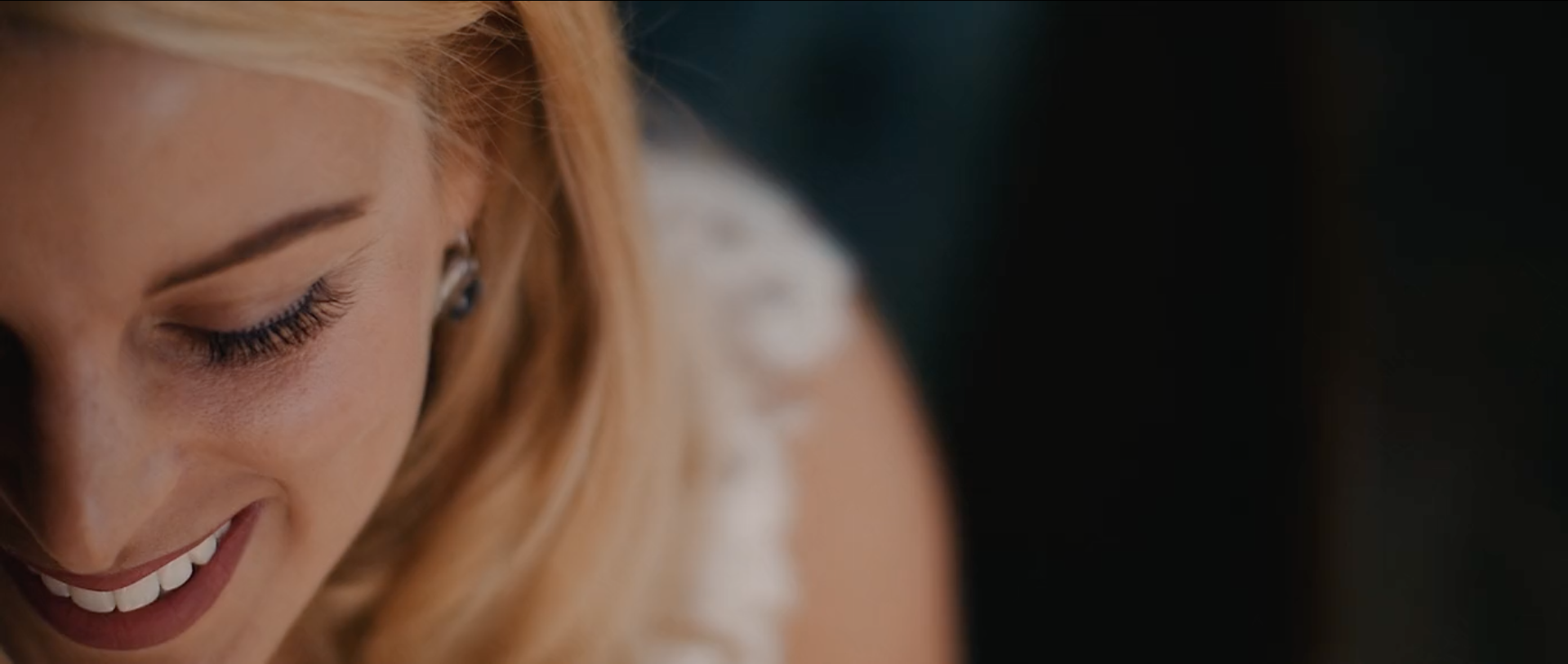
window lighting

The bride actually got ready in the middle of the room where the lighting sucked, but we re-enacted the finishing touches by the window with the purdy natural lighting and turned off the distracting artificial "orange" tungsten lighting
CEREMONIES: Consider lighting conditions, when choosing your ceremony location and time of day.
Diffused Natural Sun Light, or indirect lighting, especially through a large window is beautiful and flattering and the best bet for everyone to look best. Partly cloudy days have nice diffused light, or shady areas on a bright day are about the only option for an outdoor wedding at high noon. "Golden Hour" is warmer or more orange and even lighting that makes almost any subject or scene look friggin' magical, but lasts only about an hour, sometimes less depending on location, time of year, and weather. Usually your photographer will plan out time to bring you outside for magic hour photos if the conditions are ideal.
Artificial Lighting - usually mixing artificial lighting and natural lighting is a bad combination for general wedding film making. We usually don't like to change or add lighting to ceremonies - but some situations, if allowed - added artificial lighting will make a great difference for the better, and make the subjects "pop" a little more if we have the room / space to position the lights for a bit of "twinkle" in the eyes. One thing to consider is hot spots in a church. We had a situation with the bride being underneath a hot spot, where the light was brighter and a different color temperature than everywhere else on the altar.
Once the sun sets, we need to rely on artificial lighting. You can expect our lights to sometimes be the brightest during the toasts / speeches / prayers. This is to see the "twinkle" in the eyes and the emotion of the face - most of acting and emotion takes place in the eyes - it is common for films and TV to have eye lights for this very reason and a hair light to subtly back light the subject - this is a must for people with dark hair- otherwise the dark hair blends into the background.-- on that note - for brides and bridesmaids, updos are preferred because the hair can hang and cover the face during important moments like vows or toasts. (unless you really really want to hide your face, which is okay too)

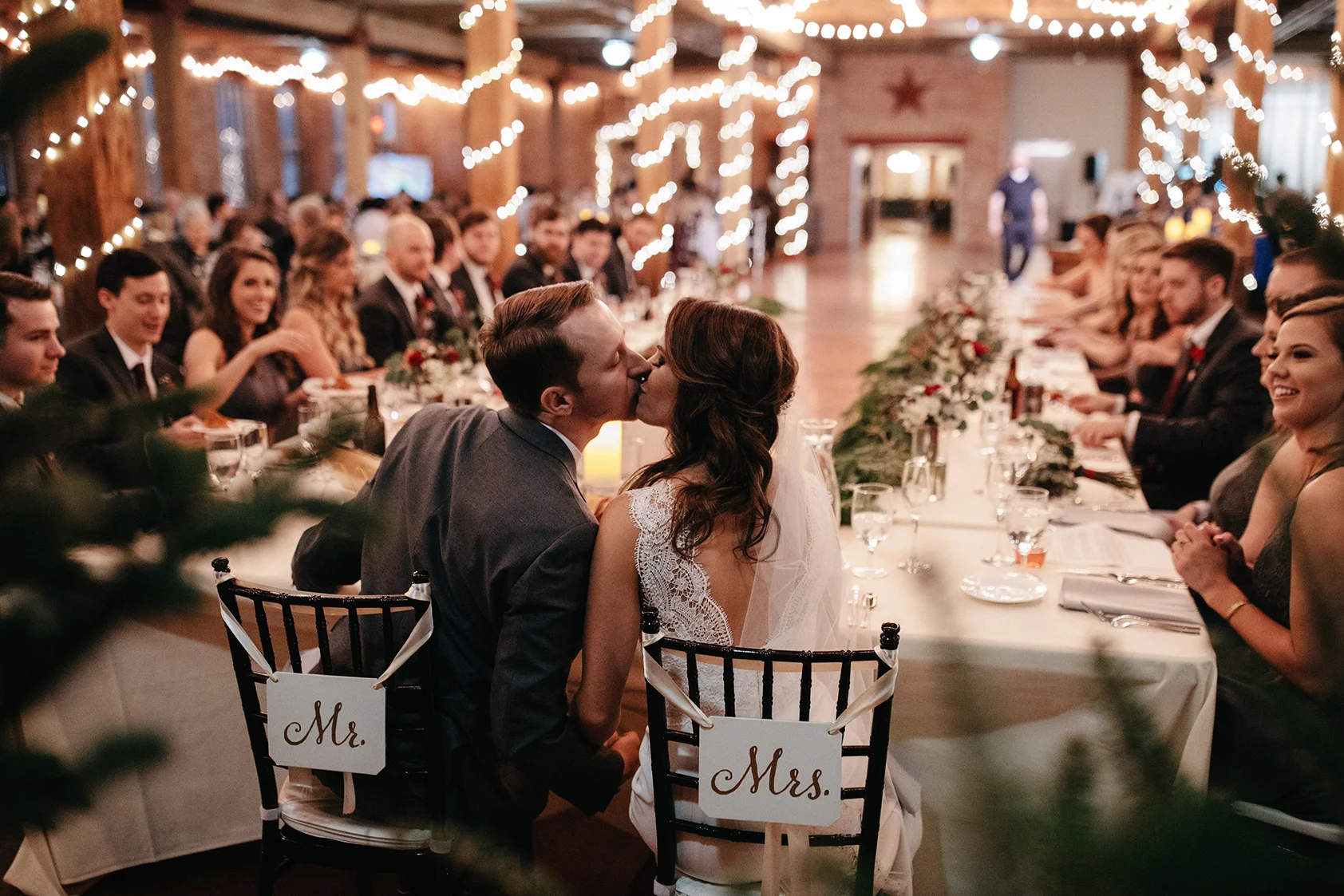
string lighting or subtle background lighting is awesome for helping us get exposure in camera and add ambience. Pinpoint lighting usually blurs nicely during low light situations where we need to lower our aperture to let more light into the camera lens and have shallow depth of field , creating a nice blurred background.
Uplighting can usually make for poor amateur looking video quality with flickering led lights that the human eye doesn't notice until recorded in video, or unnatural skin tones, such as green, purple, blue, orange, or deep reds. Consider the possibility of having uplighting dimmed or turned off completely if the video is un natural looking - this is of course partly subjective - and depends the situation and lighting equipment - but for the most part, you will look like an alien if there is green light shining on you during your first dances - and especially goofy laser beams , no matter how cool your DJ thinks he is for using lasers. For open dance floor it doesn't matter, we want more interesting colors , especially changing colors during open dancing. We want the vibe and energy, your do can go nuts with the lasers here.
Recap:
So in a rather large sized nutshell - Try to have DIFFUSED natural lighting when selecting locations. Expect the possibility of video lights during key moments such as , intros / bridal party entrance , toasts, first dances, bouquet toss, etc. We do our best to blend in our lights during dancing to not take away from the ambience.
Nerdy Stuff: Why do I need video lights at my wedding?
If you request to have no video lighting during the reception - frankly, the footage will usually look like crap. For the most part, video or film making needs about 3-4 times the amount of light , when compared to still photography - we can be filming anywhere between 24 - 240 frames per second and want each one to look great! The photographers have flashes , we don’t. They can usually use very low f stops on their lenses , we can’t , else everything would be constantly going in and out of focus.
Modern cameras are always getting better at low light performance , but this comes at a cost of reduced dynamic range, blown highlights, color science / accuracy / true to life colors, and a bunch of other nerdy stuff that you don't have time for! You’re planning a wedding! Hopefully just one wedding. An added bonus of having video lighting, is that guests who take photos during these lit up events will have a better chance of taking decent photos (especially video) instead of just awful and underexposed or blurry and grainy cell phone photos that they tag you in on Facebook and annoy everybody. You’re spending all this time and money to look your best. You don’t need aunt Mable taking dumpy photos with her jitterbug phone. Politely ask guests to refrain from using their phones and cameras during the formal events, you don’t need 1,000 blurry photos from all your family members. Hopefully this helps them be more present and in the moment. Am alternate option is allowing guests to use phones but stay out of the professionals way, and please do not upload or tag anyone in their pics.
Creative Control Compromise
On a personal note, we feel that bad (poorly exposed or blurry) photos, even when taken by a guest, vendor, etc on a cell phone - can cheapen the day that you've put so much effort and thought into making the day look beautiful. Consider having an unplugged or no photo policy for your guests and non photographer vendors - We are happy to provide our videos to the other vendors upon request, within reason - especially if they are helpful, courteous, and easy to work with. We cannot speak on behalf of the photographers, but we've always seen photographers who are happy to share their photos with vendors , especially venues.
Often photographers and videographers or film makers will be battling for the same shots, especially during the couple's creative photo session. We do need time to work our magic during creative photo sessions where the photographer will take a back seat to our creativity. 90% of the time, the photographer will be directing, and you will look at their cameras and not ours, and give us time to get our shots after they get theirs without rushing us - we do not rush the photographer's art, and expect the same level of respect from them.
As a professional courtesy , your photographer should understand this and work with us - as there needs to be some type of compromise - we will confront you about this privately if it becomes an issue. If you sense any friction between your photo and video team, squash it immediately! 90% of the time everything is great ! We simply stress that you communicate to your photographer and vendors that video is a priority that you've invested in - your wedding day is not the photographer's day, the Dj's day, or the videographer's day - it belongs to you, as a couple - and you and your new spouse ultimately call the shots.
We want your day to be beautiful and flow the way it should. Wedding film making is still a brand new concept to most people, especially the high end quality we strive to produce for our clients - our particular shooting style is quick and often we are in the background , trying to minimize any distractions. There is a stigma out there that videographers ruin everything or have done things in the past that vendors do not like- We are simply trying to educate our peers and clients on what sets us up for success.
Unplugged weddings are great for the professional photo and video team - and guests can live in the moment instead of through the camera, but ultimately that choice is up to you - it is your special day, you've worked hard and deserve a beautiful day that you can always look back upon and remember your loved ones, by great looking photo and video of you and your loved ones.

Large bridal parties
Efficiency is key for when you have a large bridal party. Simple things like getting ready can throw off the schedule for the day, and especially formal photos with the bridal party and extended family. Consider a smaller bridal party , it’s less chaos , less hair and makeup artists to slow down the day. They’re always behind schedule. Especially downtown city weddings, where every minute matters on a timeline.
Coordinate with your photographer and a VIP guests in advance ; who can assist the photographer to have people lined up and ready on deck to knock out formals quickly and efficiently. Especially if there are jokesters or party animals involved. Alcohol can only be blamed so much on a wedding day. It can ruin a bridal party photo shoot when guests are over served too early in the day. Keep in mind , the guys usually go out drinking the night before and have at least one alcoholic troublemaker.

AUDIO
We like to use our microphones for recording and supplement this with any audio mixer or PA feeds that we can plug into form venues or DJ's / bands. Please let these vendors know you want the best audio and to help work with us on this. We unfortunately receive a lot of pushback when vendors do not understand event film making requirements or do not work with experienced videographers and film makers on a regular basis. You can have beautiful footage, but if the audio sucks, it will be embarrassing for everyone involved.
Toasts and speeches preparatoins: SHARE THIS WITH GUEST SPEAKERS
Tell guests not to read off of a paper, but to plan out a general idea of what they want to say and say it LOUD and with confidence - think of a presidential address - they speak loud with confidence , direct , and make eye contact. They do not shuffle back and forth or pace - or hold a crumbled up paper , a microphone, and a cocktail at the same time , this makes for a truly awkward and uncomfroable / nervous looking toast.
If they are nervous about public speaking - have them plan like a 30 second speech - as events are unfolding so they are not breaking the "silence" in the middle of salads or dinner , eg. intros, crowd cheers, adrenaline pumps, cake cutting, speeches, and its over quickly for them- almost always they will wind up taking for a good minute or two and feel fine afterwards.
A big no no, is reading from a cell phone or screen - this makes it seem like they are checking Facebook while they are talking to an audience and can cast an ugly blue color on their faces from the device - please share this page and the video below with your speaking guests.
https://love24fps.com/the-love24fpscom-guide-to-giving-an-amazing-wedding-speech
Amplification: Usually we've found that microphone and PA / ceiling loudspeaker rental or usage is usually low quality and we can not access the audio output of the sound system for recording. Churches usually have good audio amplification but access to audio boards can be an issue. If we are in an old school Catholic Church with old school catholic priests, audio almost always is an issue with these guys.
Have them reach out to us with someone who will be in charge of audio that day or who will give us access to the audio board outputs (unfortunately ; the churches almost never return our calls when we reach out in advance or have no idea about audio, a handful of places actually have a line out audio feed readily available for recording their microphone feed)
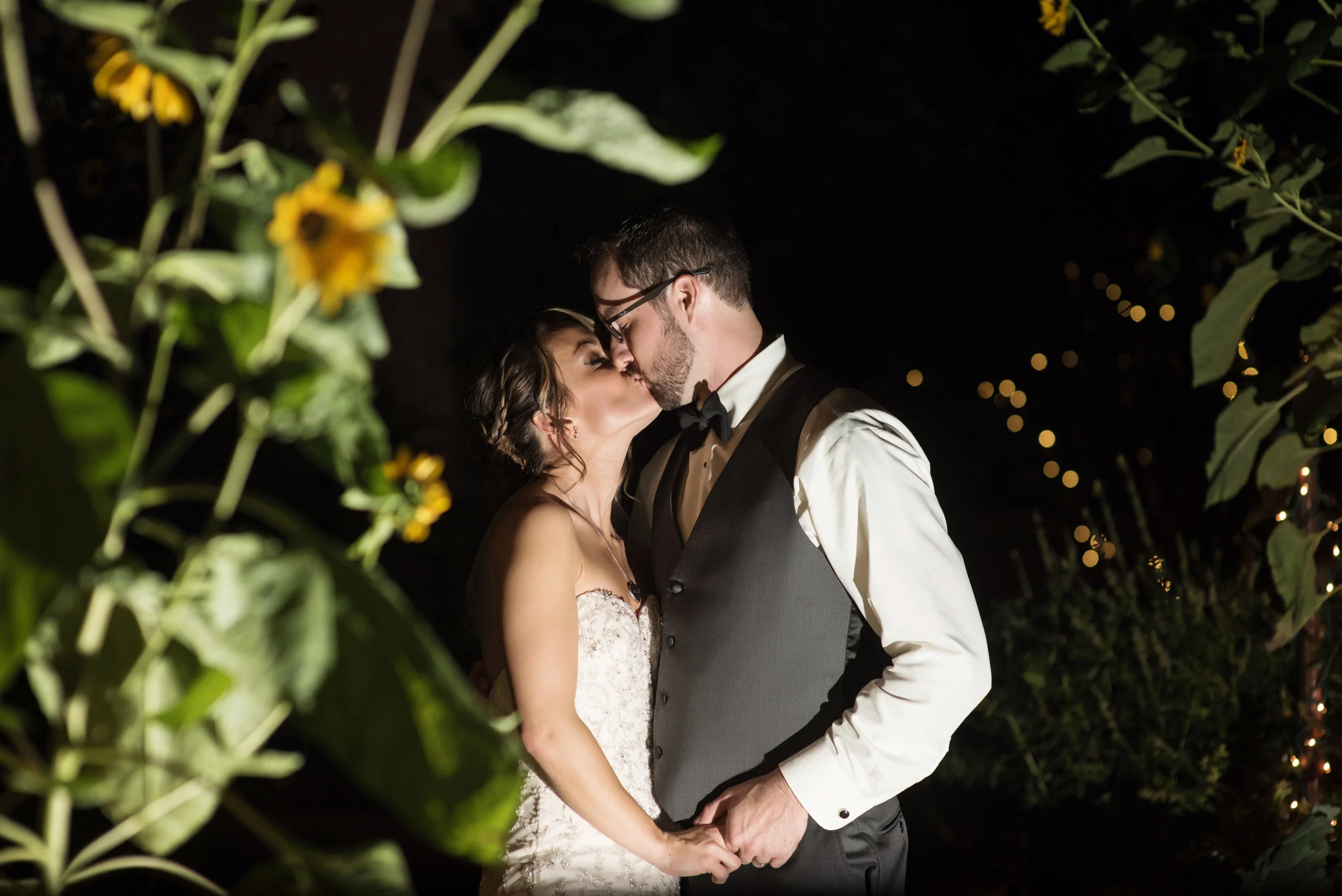
Motion
We are hunting for natural movement, emotion, and responses, this means you and your spouse or guests moving around. Kissing, snuggling, Laughing is a great starting point for the couple's interacting. We usually don't want you to look at our camera - just the photographers if they are posing you that way. Let your bridal party, photographer , father of the bride (they usually do what they want anyways, which is okay with us!). and Dj / band know that you want them to listen to your videographer and follow through on their recommendations - if the videographer needs something particular - it's for good reason - simply better footage and audio.
Not everyone is used to working with a wedding film maker - if your wedding film is important to you, please let your bridal party and vendors know that the film , not video - is important to you - We call it a film because we are striving to create the highest quality - you are not paying good money for us to simply show up and slap a camera on a tripod.
We ask you to do this because YOUR opinion matters more to them than ours. We do our due diligence to work with fellow vendors and bridal parties, but please give them a heads up that we will be there to create awesome work that you will love and we will need their help to do so. Film making is a collaborative effort.